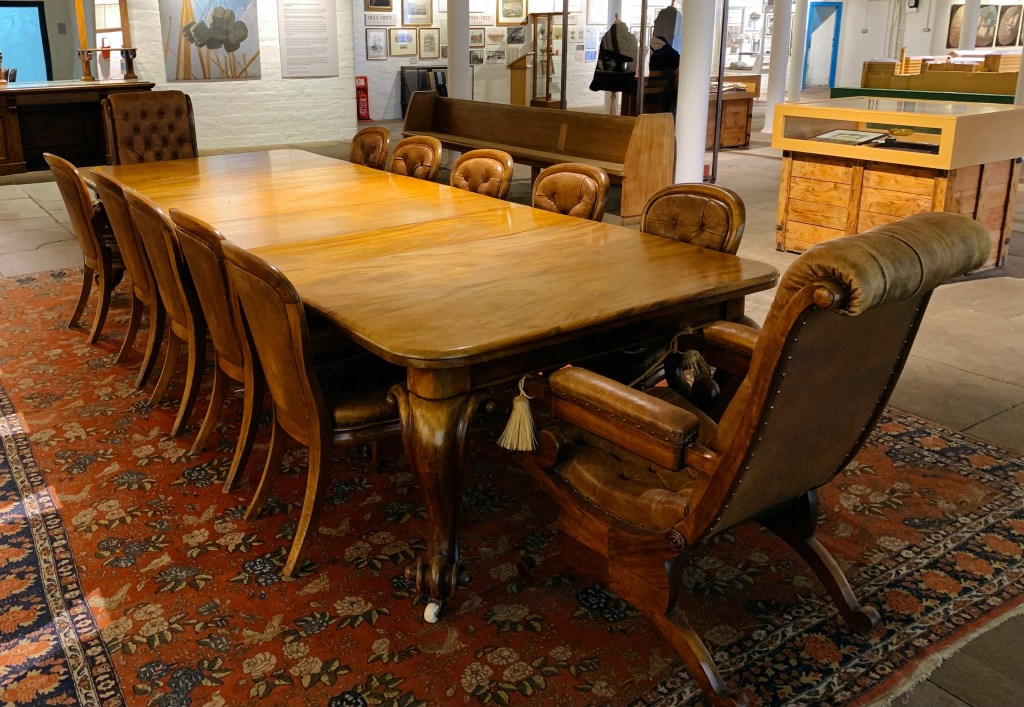
There is a textile mill in the north of England. Closed, abandoned, extensively renovated and now repurposed as an arts and retail complex. If you visit the top floor, you will find a small museum devoted to the mill, the companies that once owned it and the work that took place there. And in this museum, there is a table. A board room table that dates back to the 1850s when the mill was built by Titus Salt, a successful Victorian industrialist. We might dismiss it as yet another exhibit: fixed, inert and defined by the notice that accompanies it. But, like all objects, this table is both part of a story and a carrier of stories. This is no mute witness, but an impassioned proclaimer eager to create and communicate meaning. Our only obligation is to listen.
First, look carefully at the grain, polish and carving. The quality of the wood and the crafting of the finish make material the status, authority and power of the company directors who commissioned it. Objects are rarely neutral — here, the solidity and weight of the construction are not merely empirical qualities, but a cipher perhaps for the sober and severe values of the Victorian age. Perhaps too this table is an organisational memento-mori: a ghost-sign in three dimensions. Discarded on the mill’s closure in the mid 1980s, its history whispers ‘such as I was you are, and such as I am you will be’. It makes corporeal the corporate dissolution documented by the information boards on the wall. And even though the table has been carefully restored, this particular resurrection provides a bitter salvation. Located in a museum that necessarily records what has now been lost, its presence evokes only absence. And the glory of the repair work makes this loss even more poignant. Like a beast in a cage, well-fed and cared for, but deprived of agency and power, the table too has been caged — co-opted as a character within a particular narrative of economic decline and fall.
And there are other stories to be told. A range of emerging theories view the social and materials worlds as entangled and enmeshed (see, for example, Carlile et al., 2013). From this perspective, objects are not passive or incidental but, as ‘non-human actors’ (see Latour, 2007), exist as ‘complex, vibrant and interactive agents capable of influencing and shaping human experience’ (Humphries and Smith, 2014, p.482). If we imagine a board meeting of the 1850s (or beyond), the table is as much a participant as the sombre, bewhiskered directors arrayed around it. For it too plays a role in the discussions conducted, the views proposed and the decisions taken. Silently and without fuss, it affords proximity and comfort, enables papers to be arranged and sorted, and perhaps, in a moment of pause, provides solace or inspiration as a hand moves across its polished surface, marvelling perhaps at the patterning of the grain and the lustre of the finish. Here, the social (the discourse, power inflections of those present and the relationships or bonds between them) and the material meld and entwine, choreographed in the performance of business. We could argue that our table is the central, non-human actor, the star name at the top of the billboard, but with a cast of supporting characters and bit players: the sideboard, crockery, chairs, pens, ashtrays and place mats.
And one final story. In a compelling paper, Shortt and Izak discuss how workplace wear and tear, scars, scuffs and stains can act as ‘material autobiographical archives’ concealing ‘memory anchors’ or ‘time marks’ (Shortt and Izak, 2021). We can only conjecture, but did Titus Salt ever notice the dulling of the varnish or the scratches in the surface at the head of the table, and reflect how this erosion by paper and frock coat sleeve embodied many years of toil and consequently his own history and heritage? Or did he glance at a particular stain and recall the event that occasioned it — maybe, a cup of tea carelessly put down as a discussion on tariffs and imports grew in heat and fervour?
Or perhaps that is not the final story. For, as I write now, I re-imagine the table I saw. At a distance of seven days and with 200 miles between us, it has the power of a potent memory anchor, recalling a joyous family trip to the north in the expectant days before Christmas. And that is just my single memory. For as the dark descends on Salt Mills and the lights in the museum are extinguished, the table stands in the silence, surrounded by the ghosts that once sat around it — a casket in which countless emotions, memories, relationships, experiences and sensations are captured and contained.
Carlile, P.R., Nicolini, D., Langley, A. and Tsoukas, H. (eds.) (2013) How matter matters: objects, artifacts, and materiality in organization studies. Oxford: Oxford University Press.
Humphries, C. and Smith, A. (2014) ‘Talking objects: towards a post-social research framework for exploring object narratives’, Organization, 21(4), pp. 477-494.
Latour, B. (2007) Reassembling the social: an introduction to actor network theory. Oxford: Oxford University Press.
Shortt, H. and Izak, M. (2021) ‘Scarred objects and time marks as memory anchors: the significance of scuffs and stains in organisational life’, Human Relations, 74(10), pp. 1688-1715.
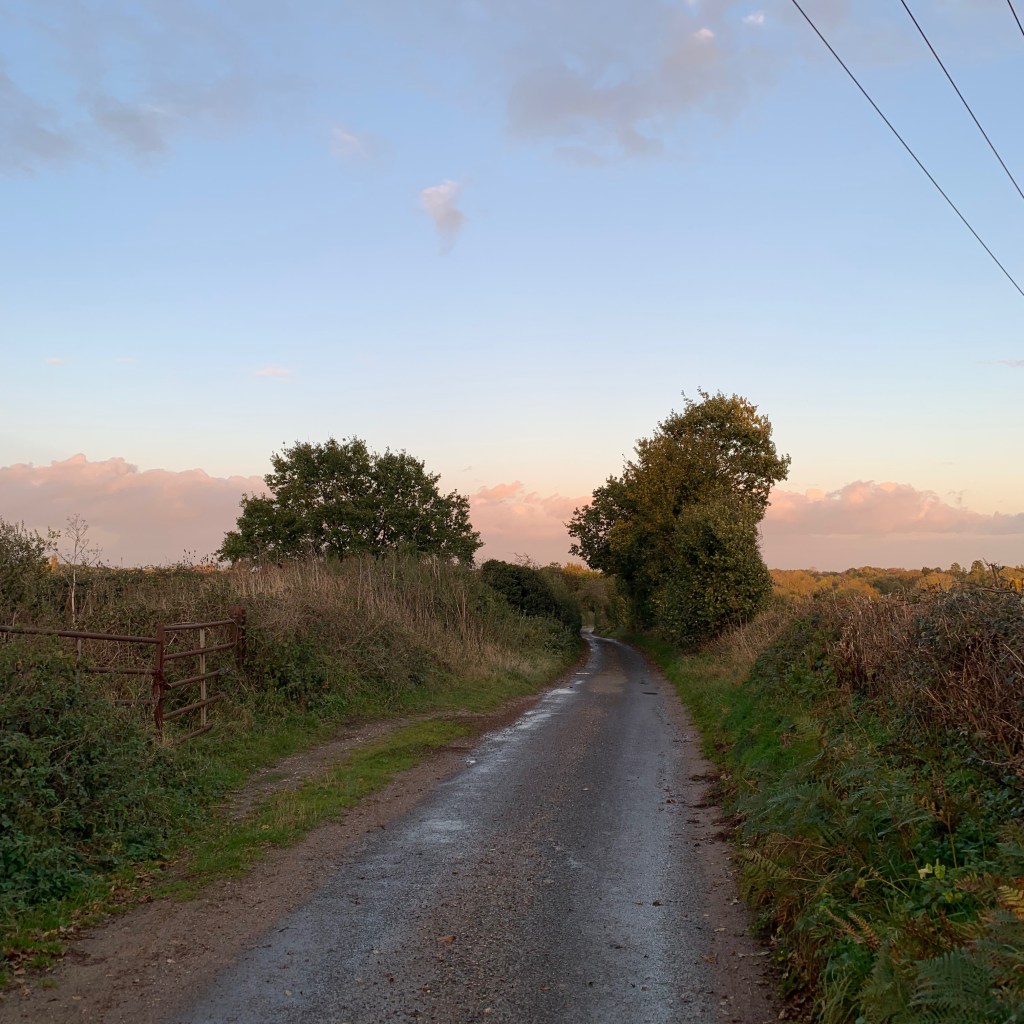
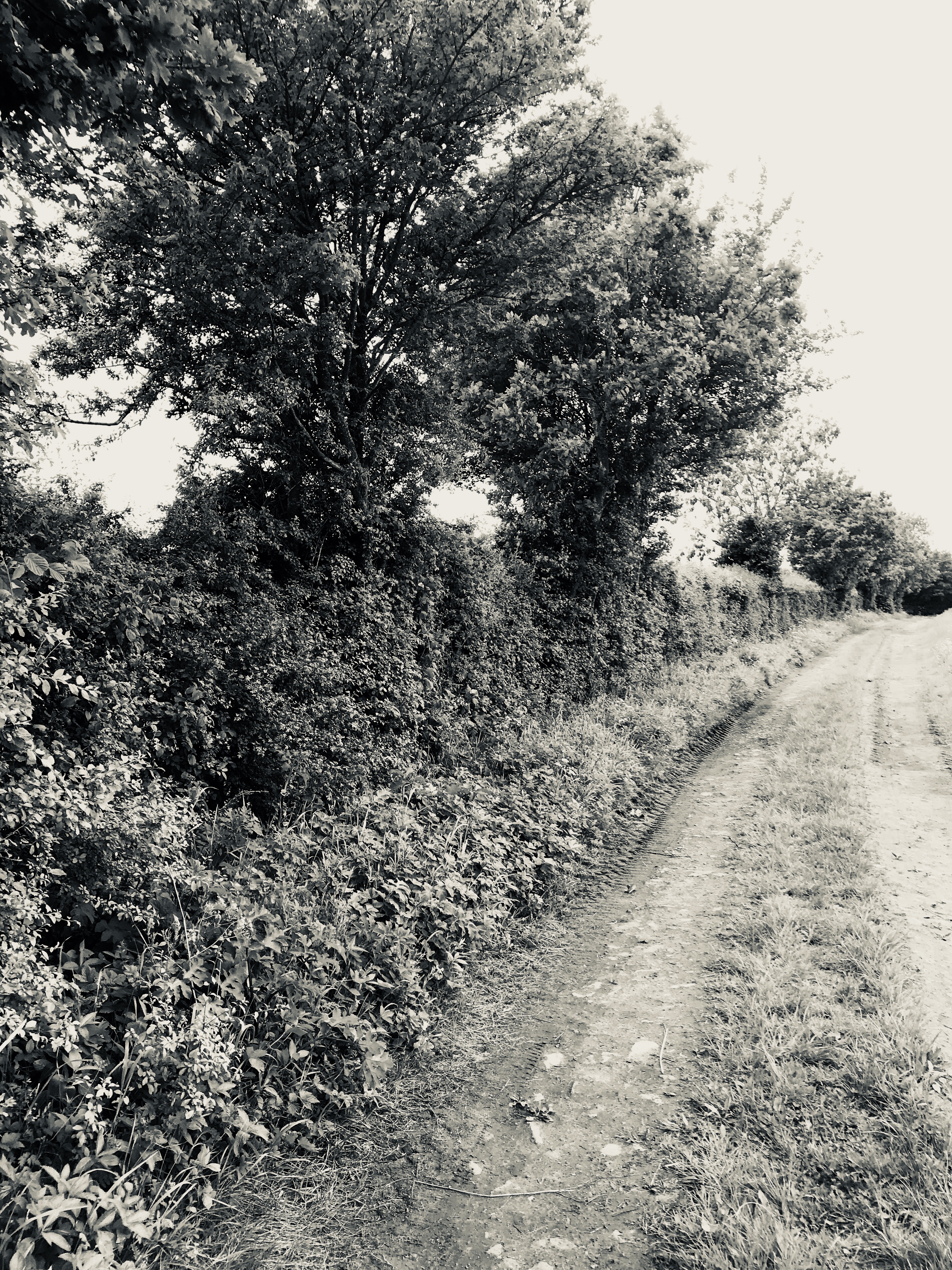 And ambiguities multiply and enfold. For some, the hedge is a space of nest and burrow. A refuge from predator and storm where it is safe to roost and sleep. Yet this is also a place of danger – for concealment carries both blessing and curse. The eyes that spark in the undergrowth; the rank tang of fox or weasel. In the slanting dusk, the silhouettes of blackthorn and dog-rose invite the unknown. They are ‘uncanny artefacts’ that trouble and disturb (Kaczmarczyk, p.55). Perhaps all hedgerows intimate the zone rouge: this now fertile no-man’s land which bears its stain – and its dark bounty of bone and bullet – through the decades. For every Prince that finds his Sleeping Beauty, lie many others pierced and bleeding on the thorns.
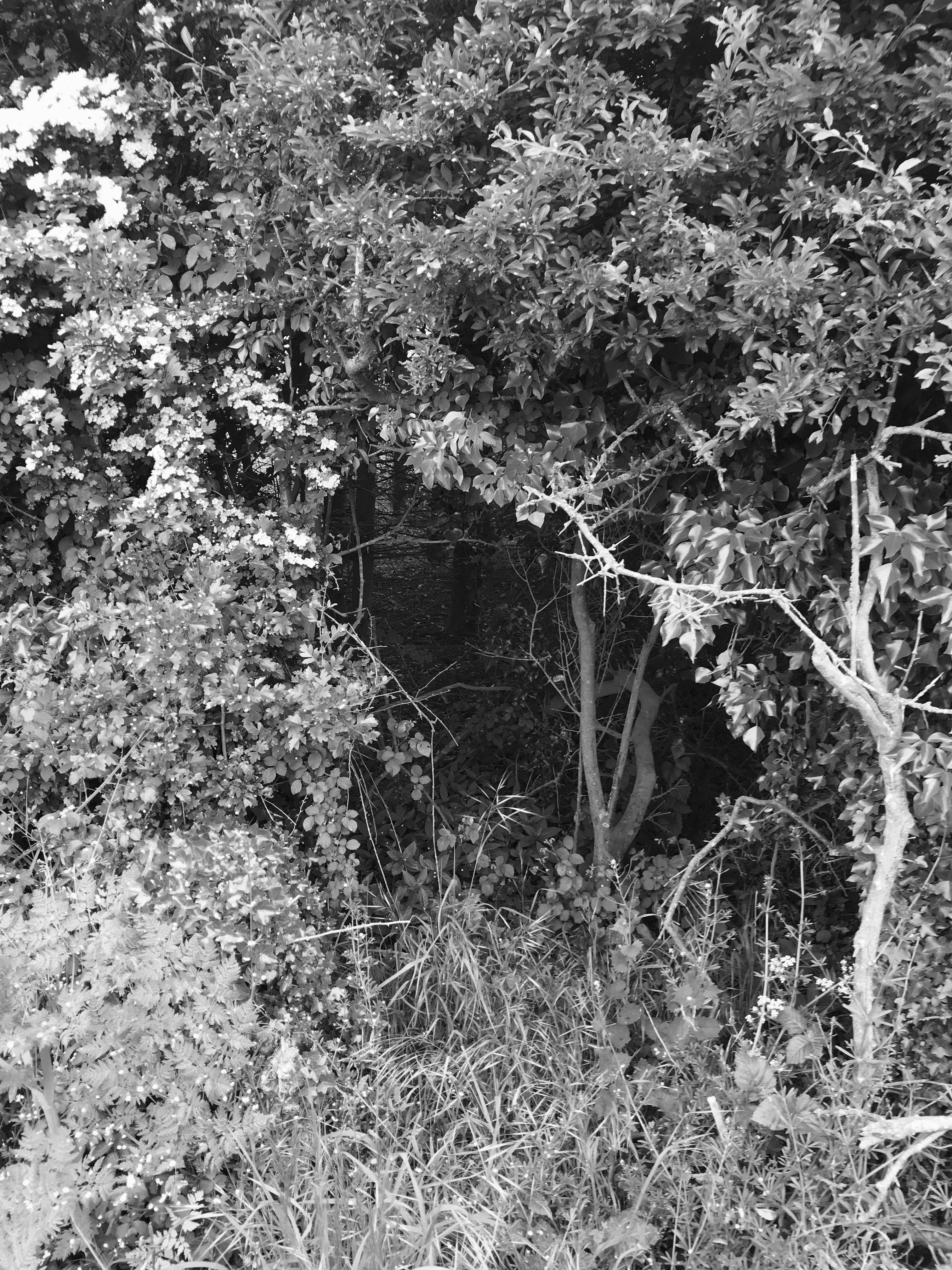 Elsewhere, the devastation has been unleashed. According to Dale and Burrell, seven miles of internal walls in the UK Treasury were removed, ‘literally dismantling the ‘corridors of power’’ (Dale and Burrell, 2010). To justify this destruction, those arguments of productivity and enhanced yield emerge from their 1950’s winding sheet. But here the grain and seed so eagerly sought are those of ‘interactive, complex, open-ended teamwork’ and the diminution of ‘hierarchies or status’ (Hirst and Humphreys, p.1506).
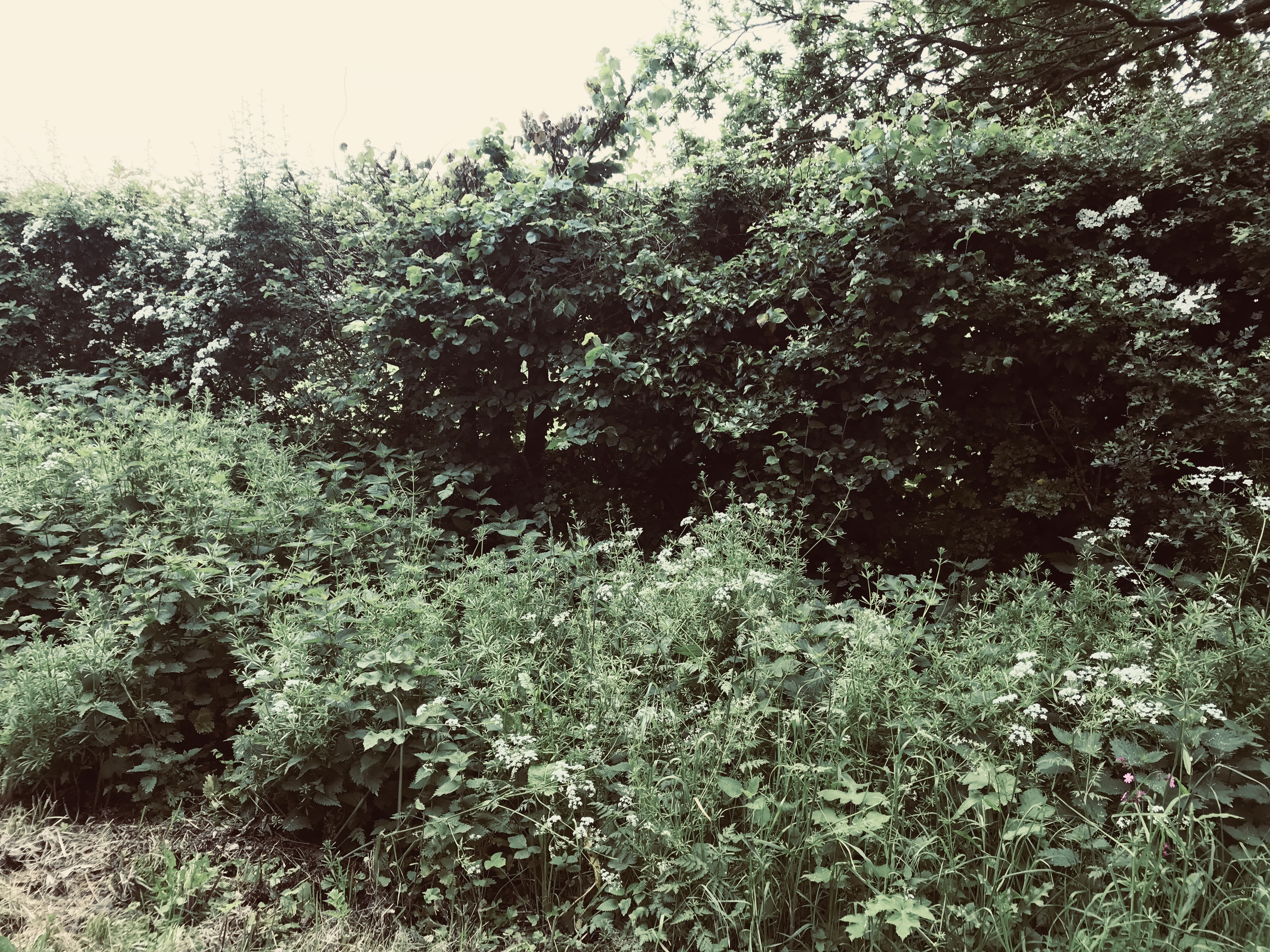 So maybe we should campaign for the return of our metaphoric organisational hedges. Allen identified ‘washrooms, copying machines, coffeepots, cafeterias’ as ‘interaction-promoting facilities’ that draw people to them increasing the occurrence of chance encounters and unintended communication (Allen, p.248). And these ‘hedgerow rendezvous’ have value: they are the ‘prime vehicle for transmitting ideas, concepts, and other information necessary for ensuring effective work performance’ (Allen, p.269).
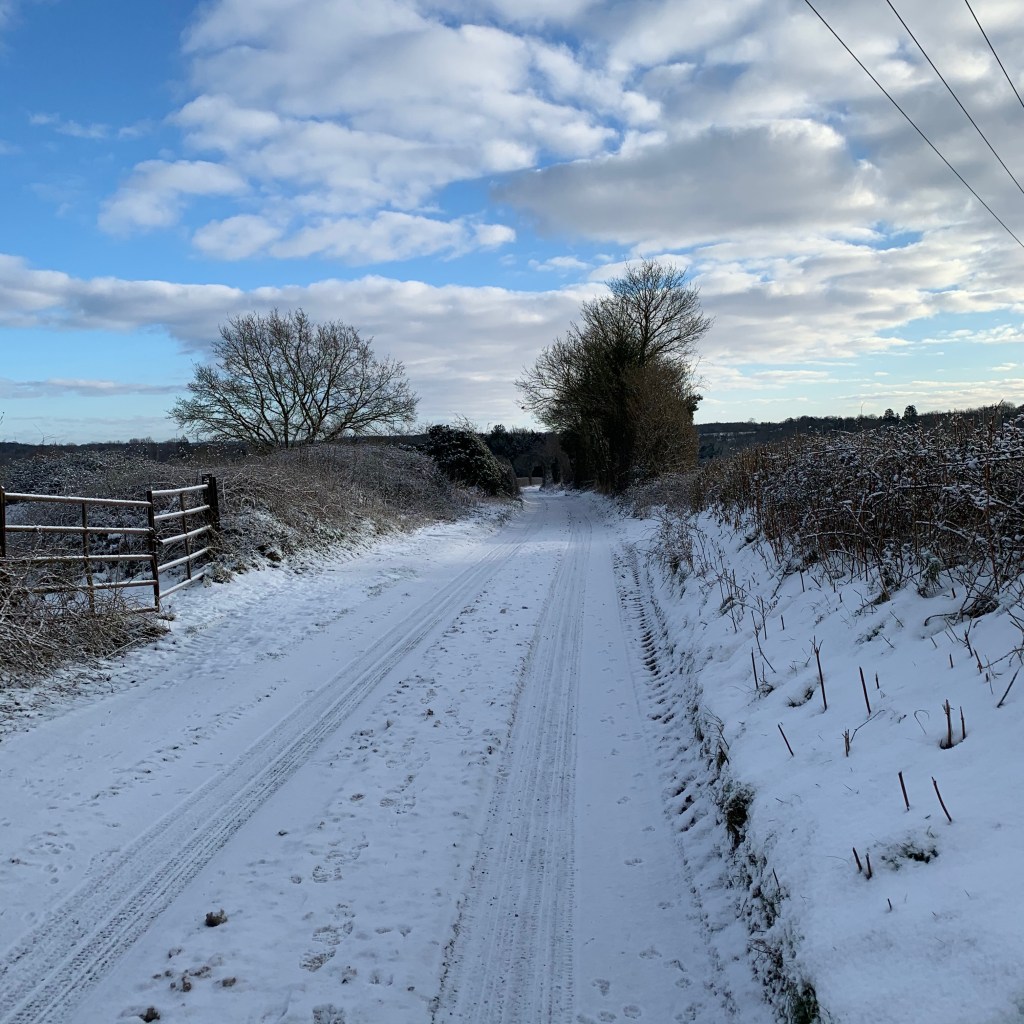
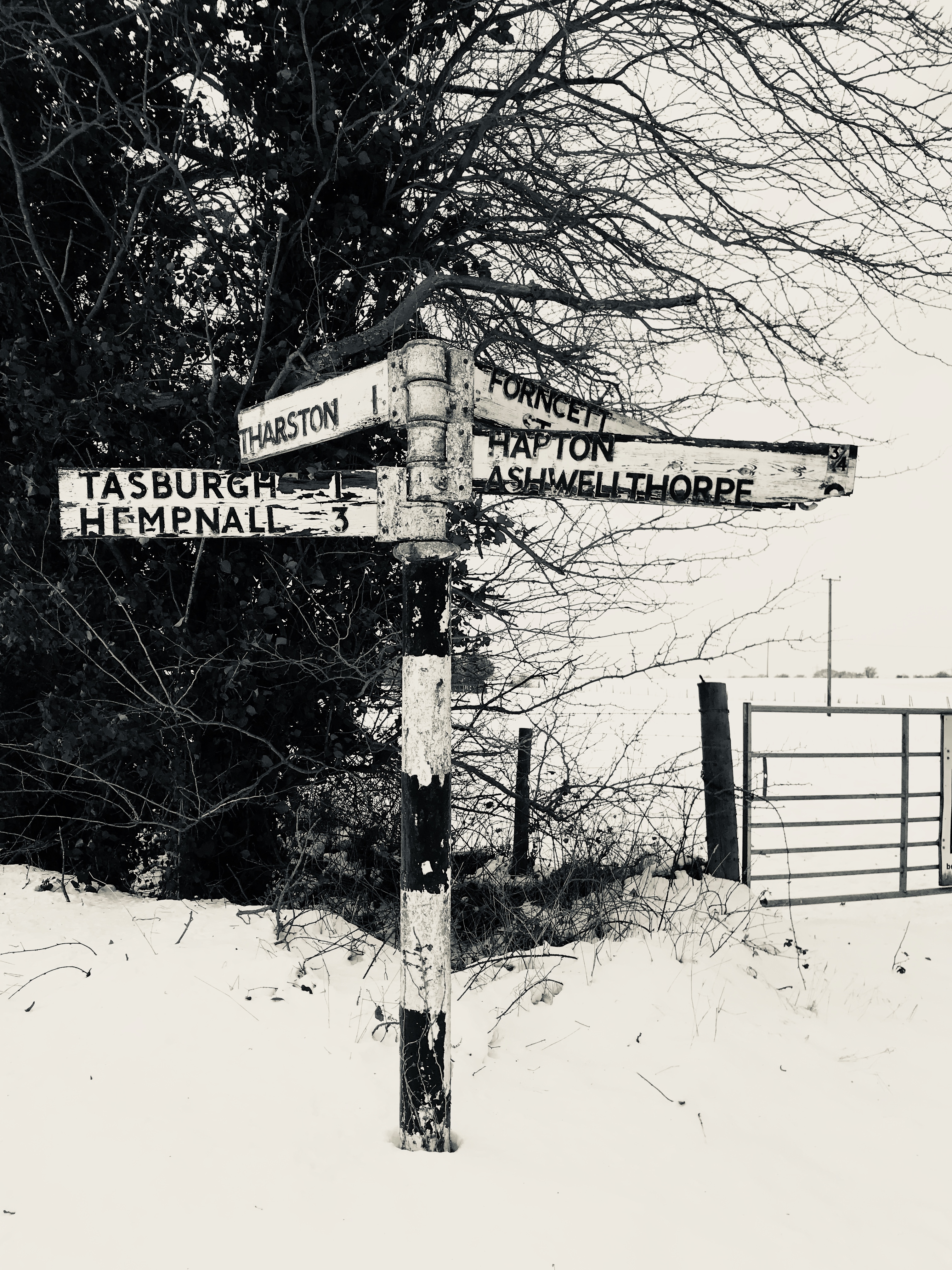 But then, this should not surprise us. For the crossroads is a place of contradictions. A liminal space caught between borders and possibilities. It is a ‘real place between imaginary places – points of departure and arrival’ (Komunyakaa, p.5). We stand poised between where we have been and where we might, in the future, find ourselves. This is the ‘intersection of the timeless moment’ (Eliot, p.42). Opportunity, danger, enchantment, despair, salvation and damnation insinuate themselves, like a twilight mist, around our lonely fingerpost.
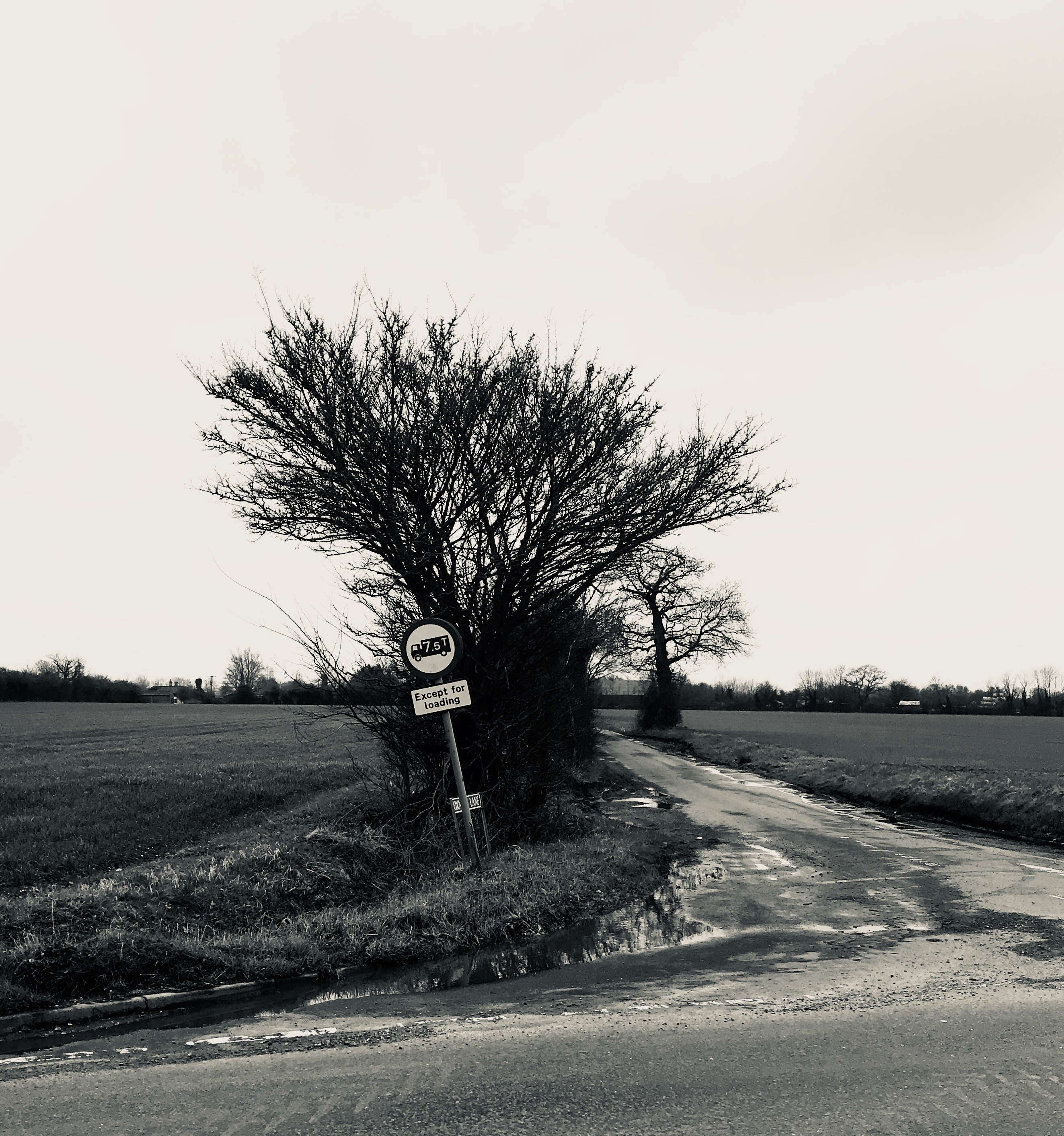 The ambiguity of the crossroads is also seen in the tradition of burying of suicides. Halliday notes that although the law in England stipulated that a suicide should be buried in the King’s highway, the chosen site was often a crossroad by a parish boundary (Halliday, p.82). I frequently pass one such site. In 1785, Richard Knobbs, a brickmaker in the Norfolk village of Hempnall, was suspected of murdering his son and hanged himself from a tree. The junction where he is buried is still known as Nobb’s Corner. Halliday argues that such interment acted as a deterrent. Excluded from the community of a churchyard, burial in a ‘remote, anonymous grave without a funeral was a casting-out; the person no longer belonged to society’ (Halliday p.82). Yet, maybe, such a place provided comfort too: the topographical cross bestowing some remnant of sanctity on the lost and, in every way, marginalised.
 Liminal Narratives