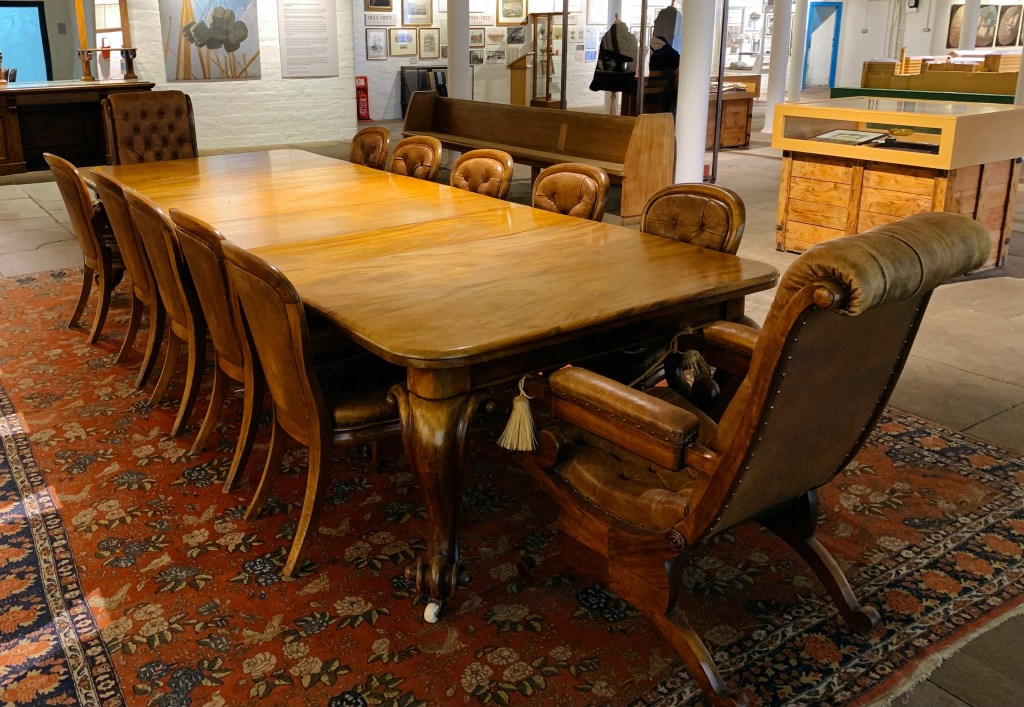
There is a textile mill in the north of England. Closed, abandoned, extensively renovated and now repurposed as an arts and retail complex. If you visit the top floor, you will find a small museum devoted to the mill, the companies that once owned it and the work that took place there. And in this museum, there is a table. A board room table that dates back to the 1850s when the mill was built by Titus Salt, a successful Victorian industrialist. We might dismiss it as yet another exhibit: fixed, inert and defined by the notice that accompanies it. But, like all objects, this table is both part of a story and a carrier of stories. This is no mute witness, but an impassioned proclaimer eager to create and communicate meaning. Our only obligation is to listen.
First, look carefully at the grain, polish and carving. The quality of the wood and the crafting of the finish make material the status, authority and power of the company directors who commissioned it. Objects are rarely neutral — here, the solidity and weight of the construction are not merely empirical qualities, but a cipher perhaps for the sober and severe values of the Victorian age. Perhaps too this table is an organisational memento-mori: a ghost-sign in three dimensions. Discarded on the mill’s closure in the mid 1980s, its history whispers ‘such as I was you are, and such as I am you will be’. It makes corporeal the corporate dissolution documented by the information boards on the wall. And even though the table has been carefully restored, this particular resurrection provides a bitter salvation. Located in a museum that necessarily records what has now been lost, its presence evokes only absence. And the glory of the repair work makes this loss even more poignant. Like a beast in a cage, well-fed and cared for, but deprived of agency and power, the table too has been caged — co-opted as a character within a particular narrative of economic decline and fall.
And there are other stories to be told. A range of emerging theories view the social and materials worlds as entangled and enmeshed (see, for example, Carlile et al., 2013). From this perspective, objects are not passive or incidental but, as ‘non-human actors’ (see Latour, 2007), exist as ‘complex, vibrant and interactive agents capable of influencing and shaping human experience’ (Humphries and Smith, 2014, p.482). If we imagine a board meeting of the 1850s (or beyond), the table is as much a participant as the sombre, bewhiskered directors arrayed around it. For it too plays a role in the discussions conducted, the views proposed and the decisions taken. Silently and without fuss, it affords proximity and comfort, enables papers to be arranged and sorted, and perhaps, in a moment of pause, provides solace or inspiration as a hand moves across its polished surface, marvelling perhaps at the patterning of the grain and the lustre of the finish. Here, the social (the discourse, power inflections of those present and the relationships or bonds between them) and the material meld and entwine, choreographed in the performance of business. We could argue that our table is the central, non-human actor, the star name at the top of the billboard, but with a cast of supporting characters and bit players: the sideboard, crockery, chairs, pens, ashtrays and place mats.
And one final story. In a compelling paper, Shortt and Izak discuss how workplace wear and tear, scars, scuffs and stains can act as ‘material autobiographical archives’ concealing ‘memory anchors’ or ‘time marks’ (Shortt and Izak, 2021). We can only conjecture, but did Titus Salt ever notice the dulling of the varnish or the scratches in the surface at the head of the table, and reflect how this erosion by paper and frock coat sleeve embodied many years of toil and consequently his own history and heritage? Or did he glance at a particular stain and recall the event that occasioned it — maybe, a cup of tea carelessly put down as a discussion on tariffs and imports grew in heat and fervour?
Or perhaps that is not the final story. For, as I write now, I re-imagine the table I saw. At a distance of seven days and with 200 miles between us, it has the power of a potent memory anchor, recalling a joyous family trip to the north in the expectant days before Christmas. And that is just my single memory. For as the dark descends on Salt Mills and the lights in the museum are extinguished, the table stands in the silence, surrounded by the ghosts that once sat around it — a casket in which countless emotions, memories, relationships, experiences and sensations are captured and contained.
Carlile, P.R., Nicolini, D., Langley, A. and Tsoukas, H. (eds.) (2013) How matter matters: objects, artifacts, and materiality in organization studies. Oxford: Oxford University Press.
Humphries, C. and Smith, A. (2014) ‘Talking objects: towards a post-social research framework for exploring object narratives’, Organization, 21(4), pp. 477-494.
Latour, B. (2007) Reassembling the social: an introduction to actor network theory. Oxford: Oxford University Press.
Shortt, H. and Izak, M. (2021) ‘Scarred objects and time marks as memory anchors: the significance of scuffs and stains in organisational life’, Human Relations, 74(10), pp. 1688-1715.
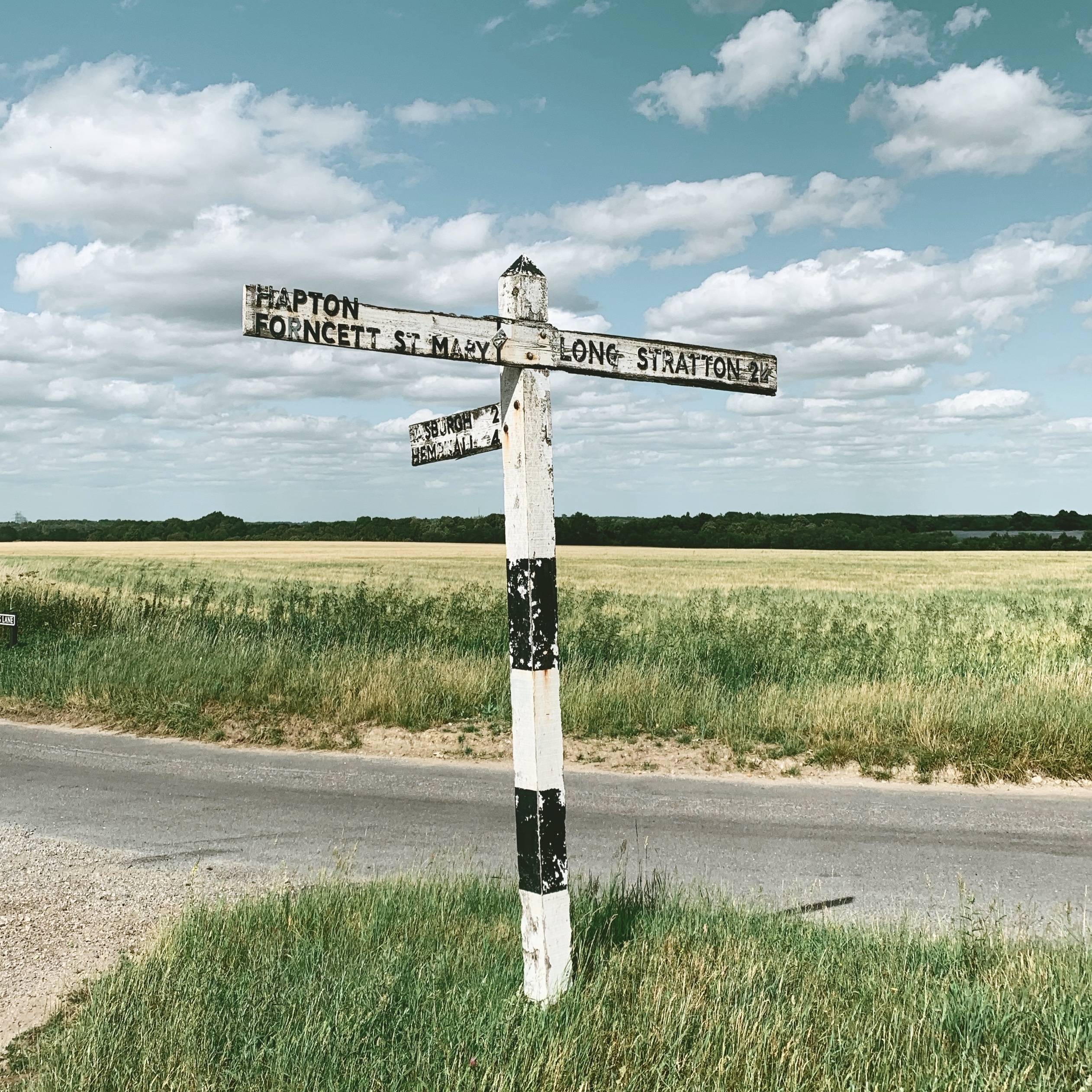
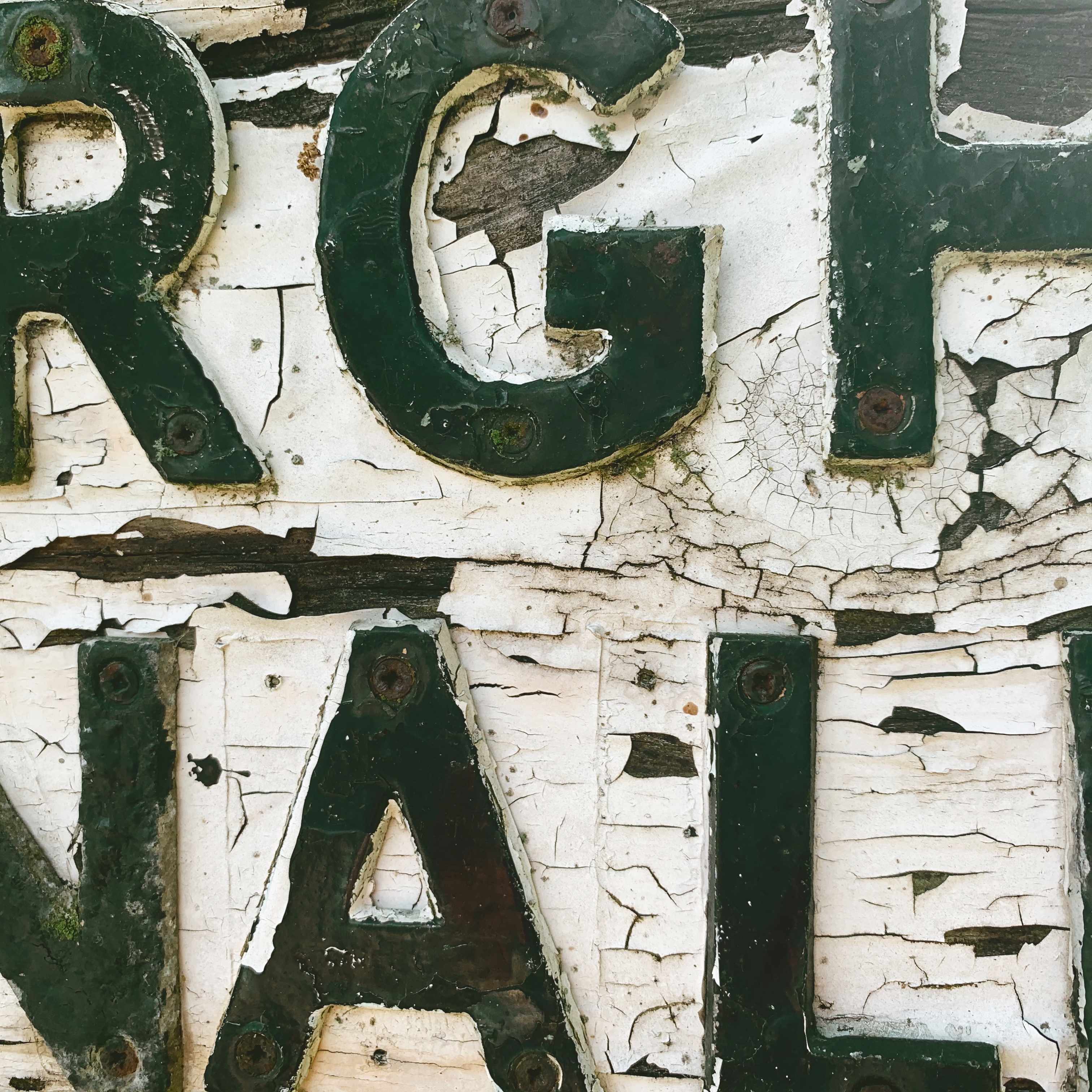
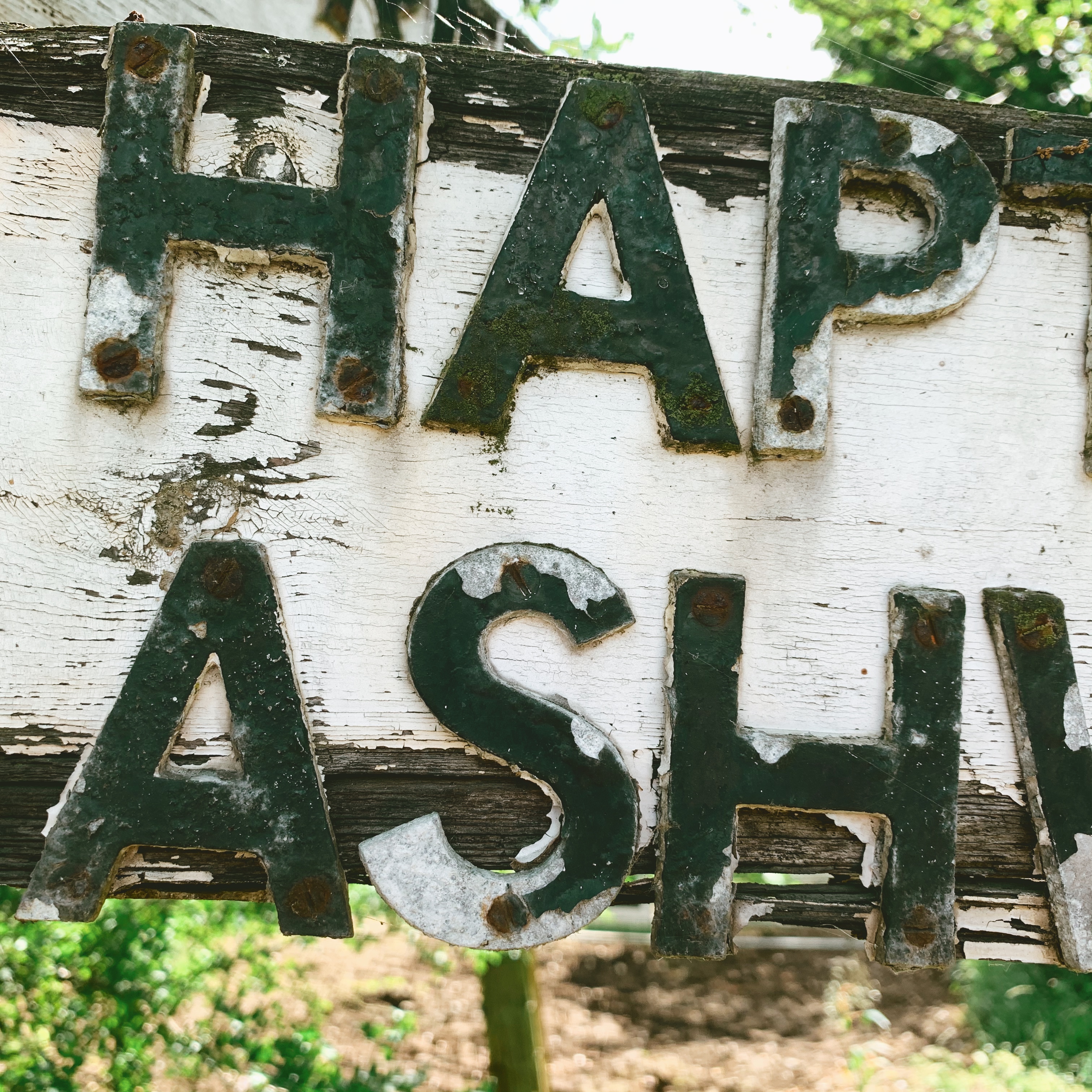
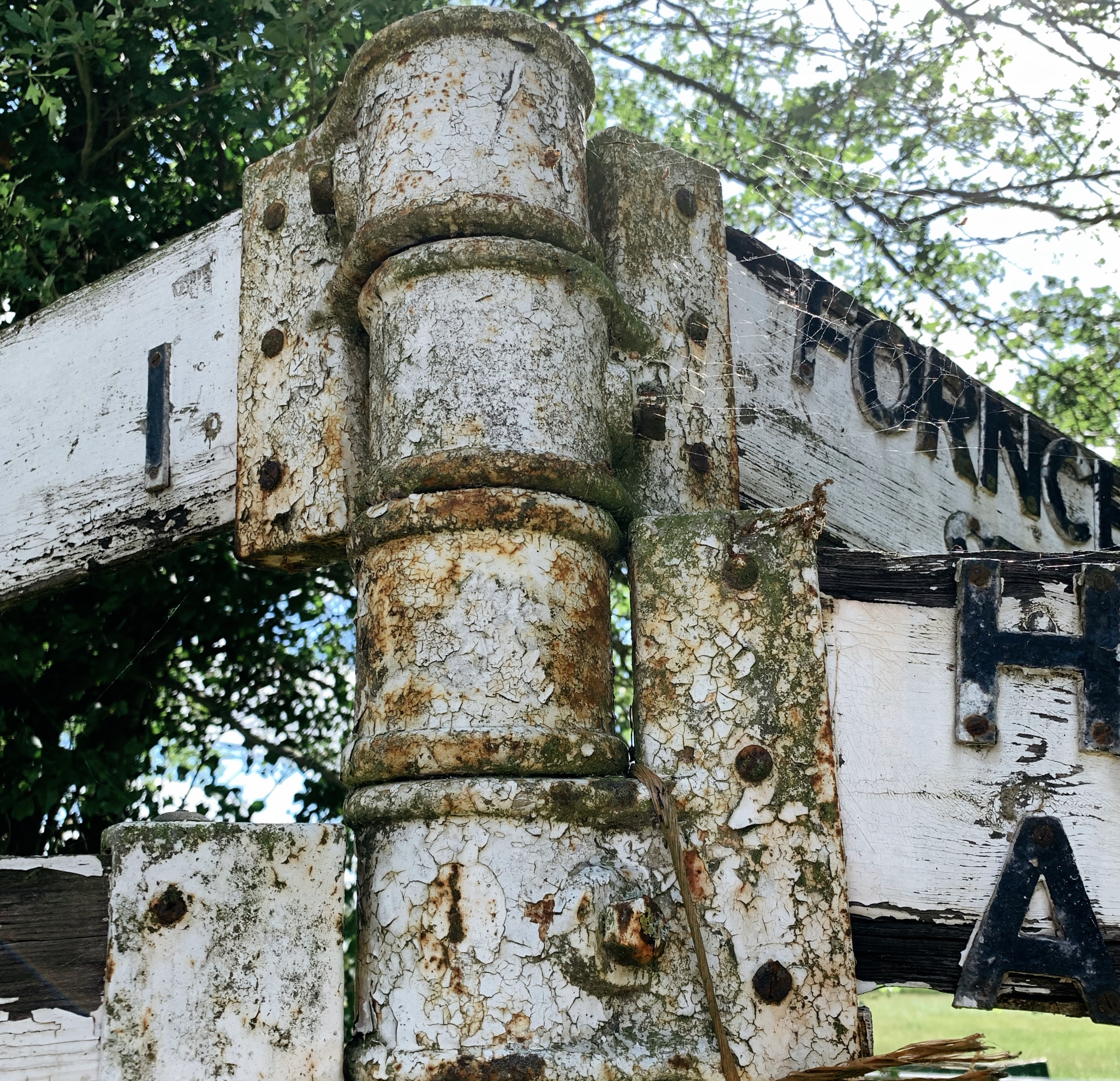
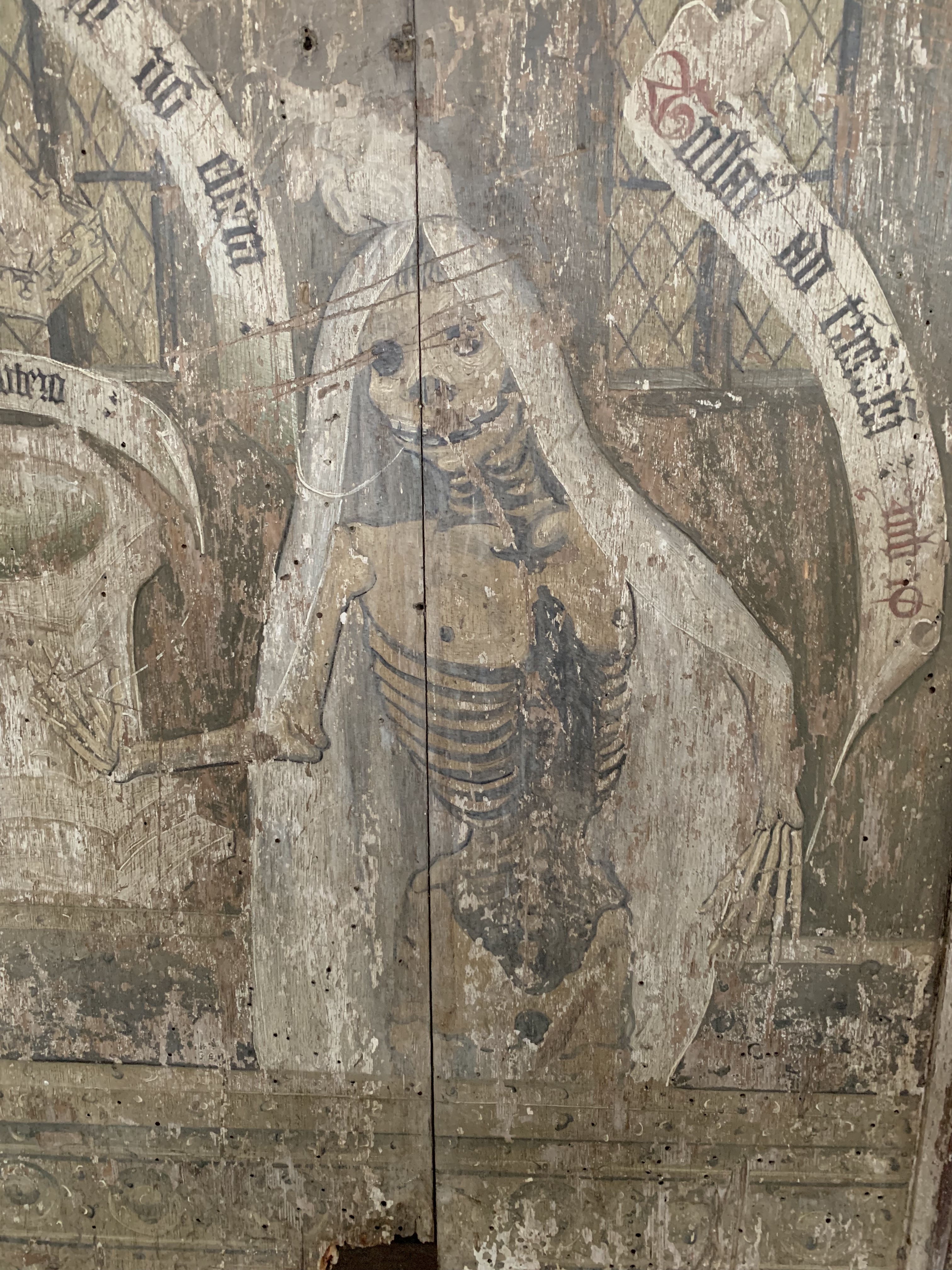
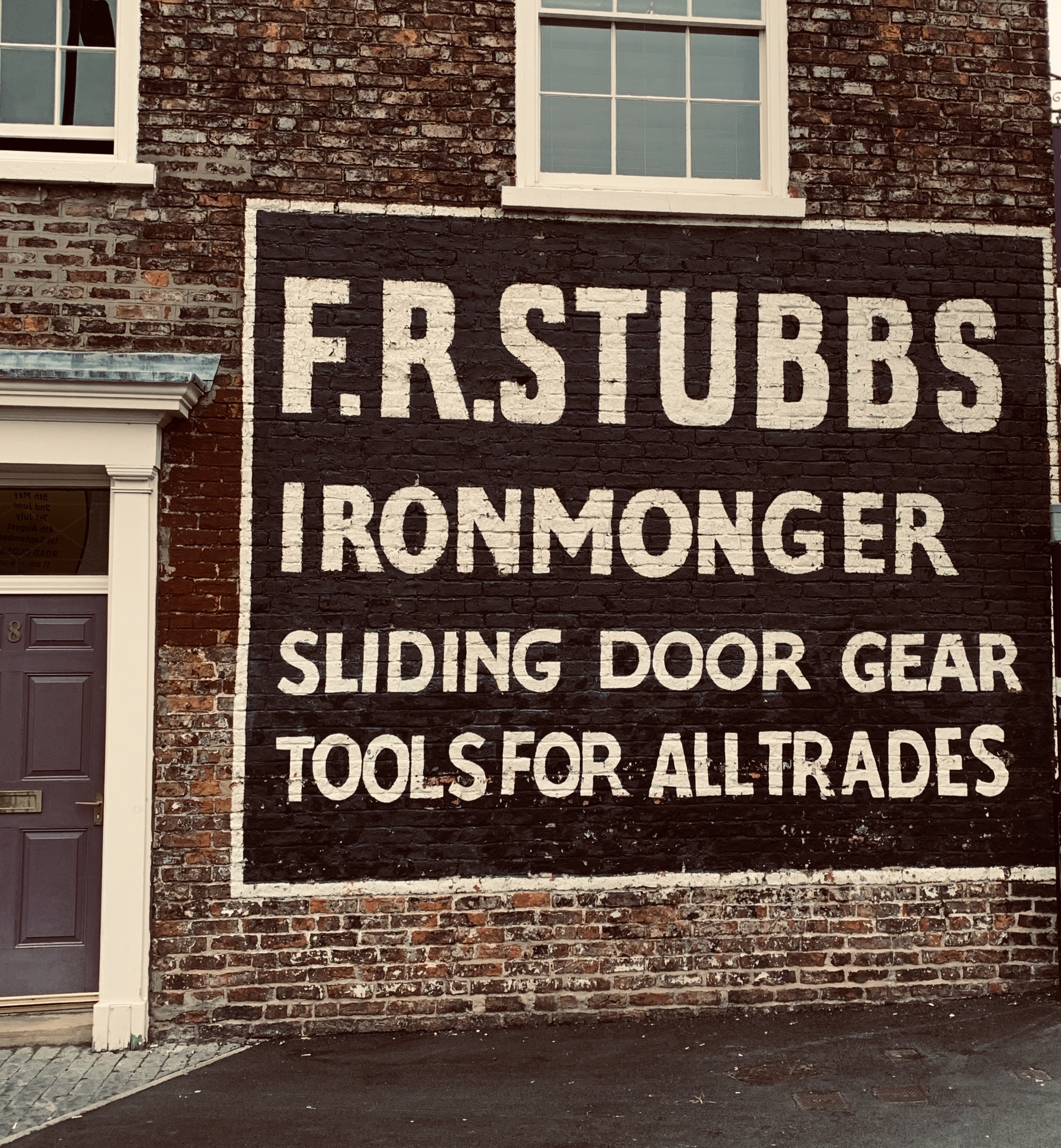
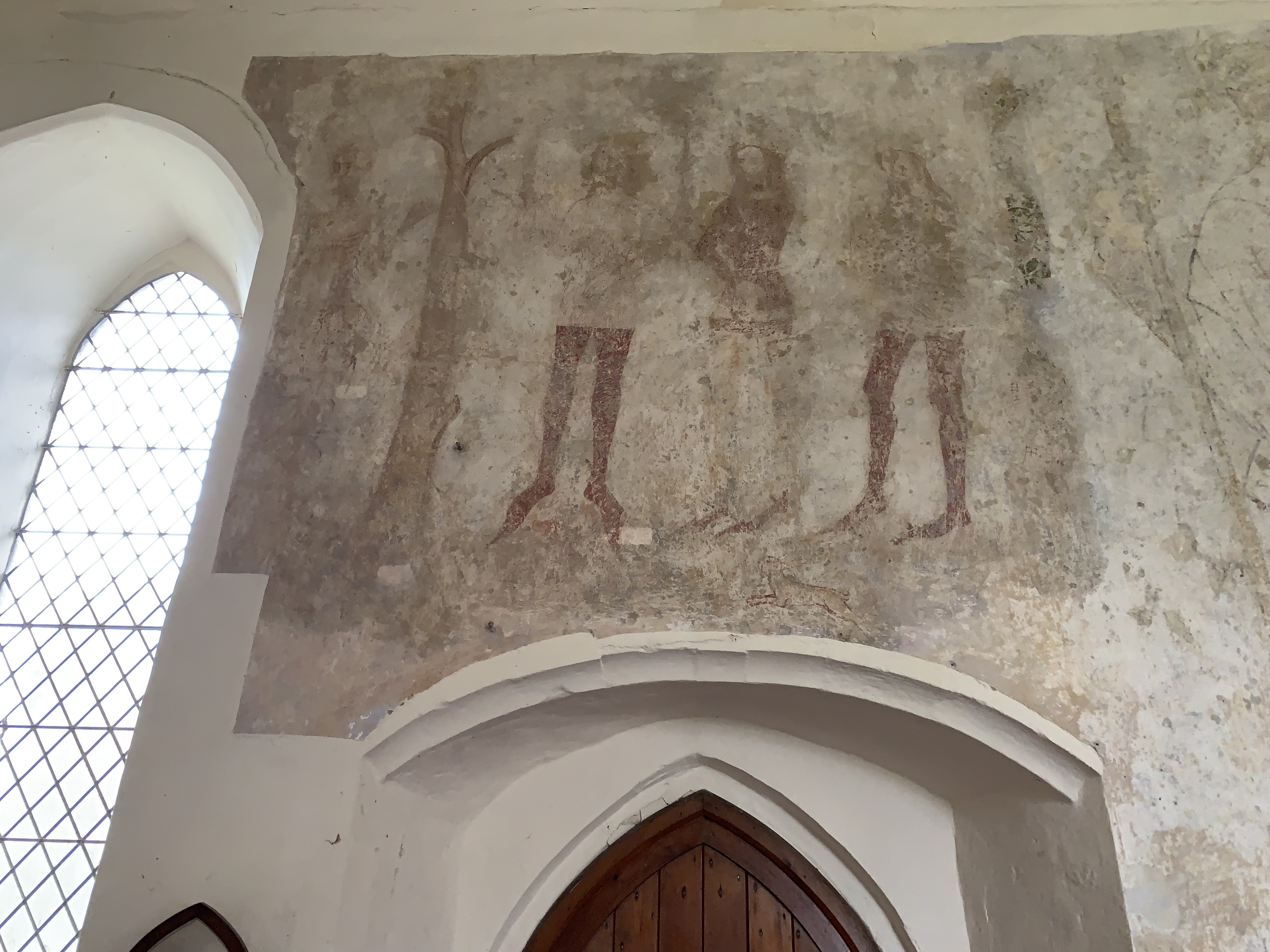
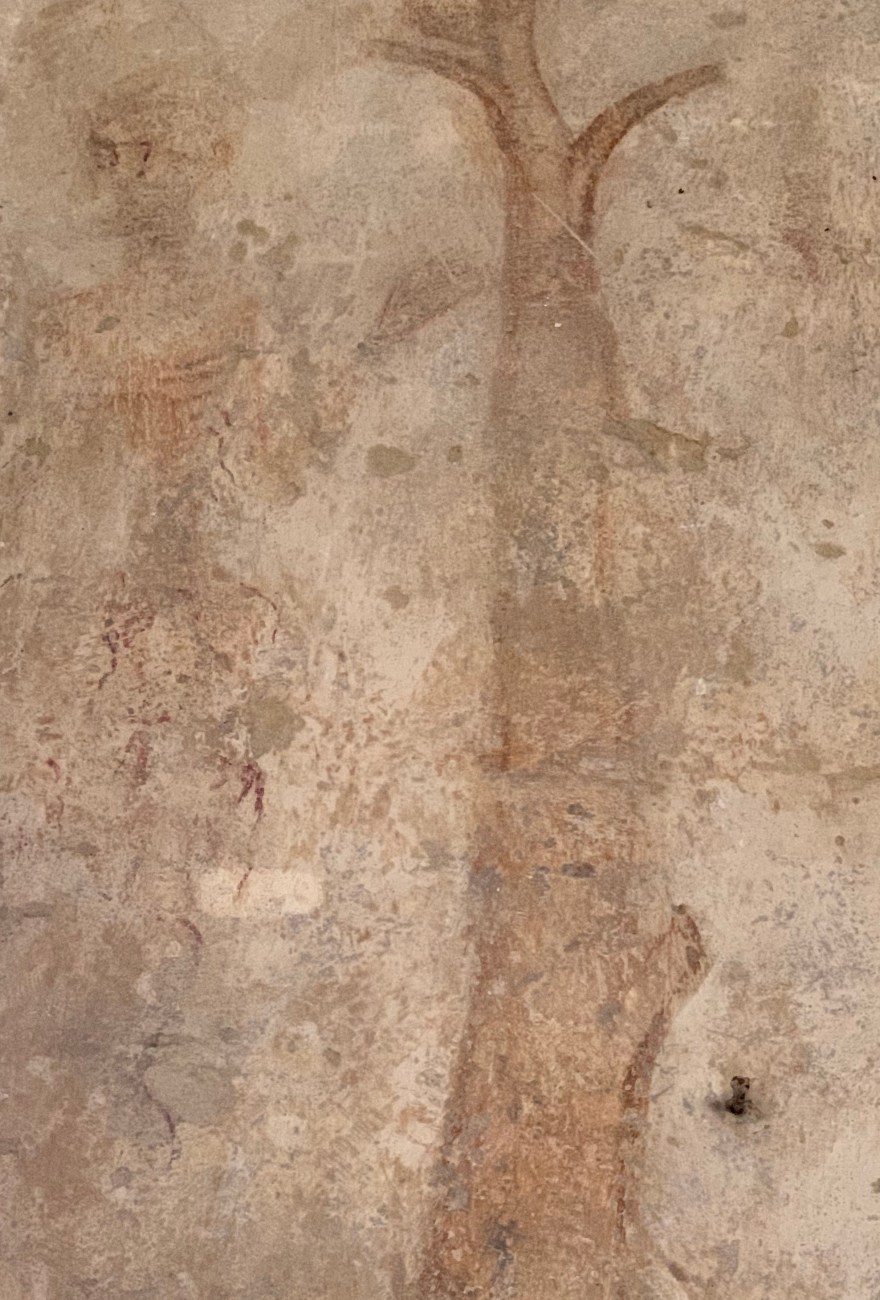
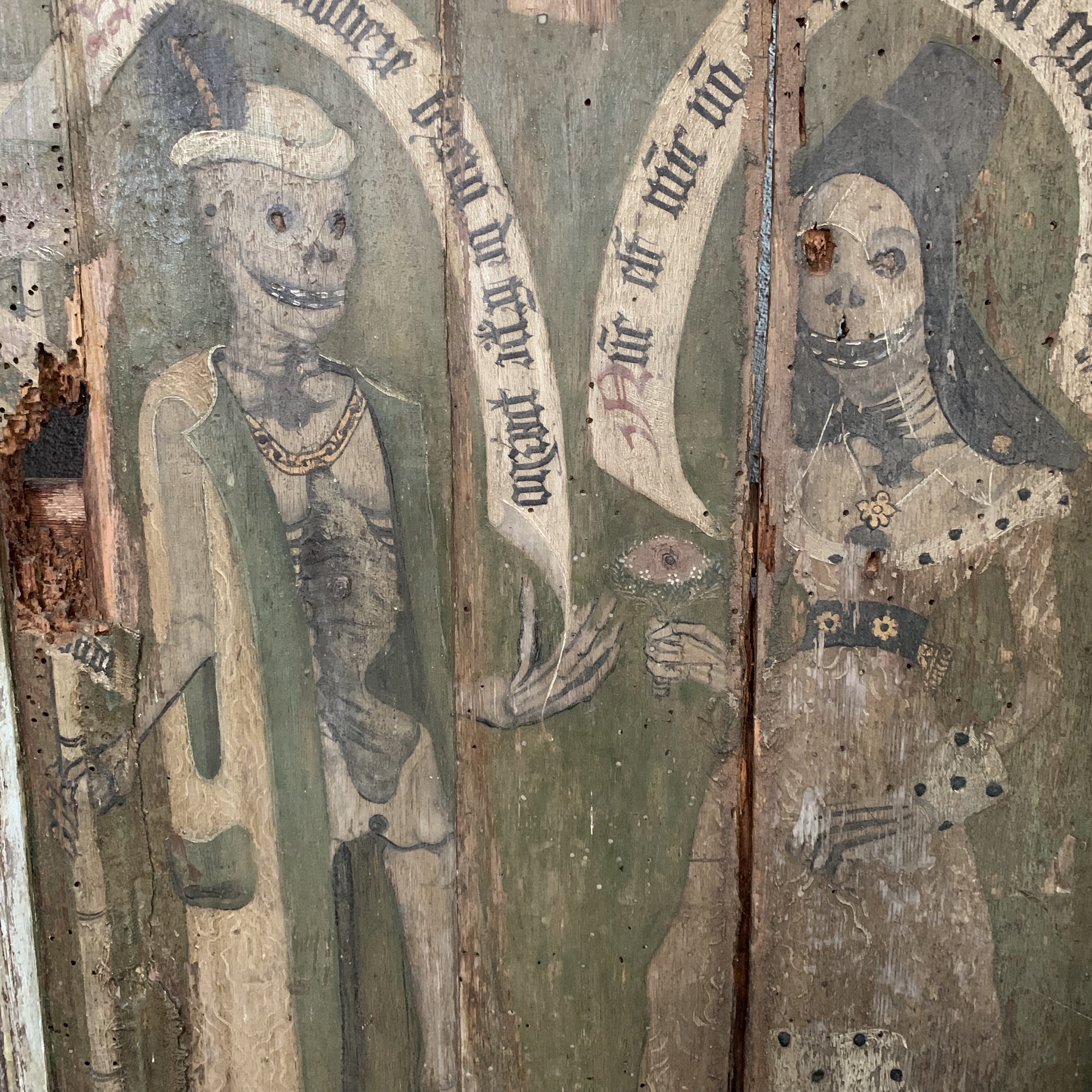
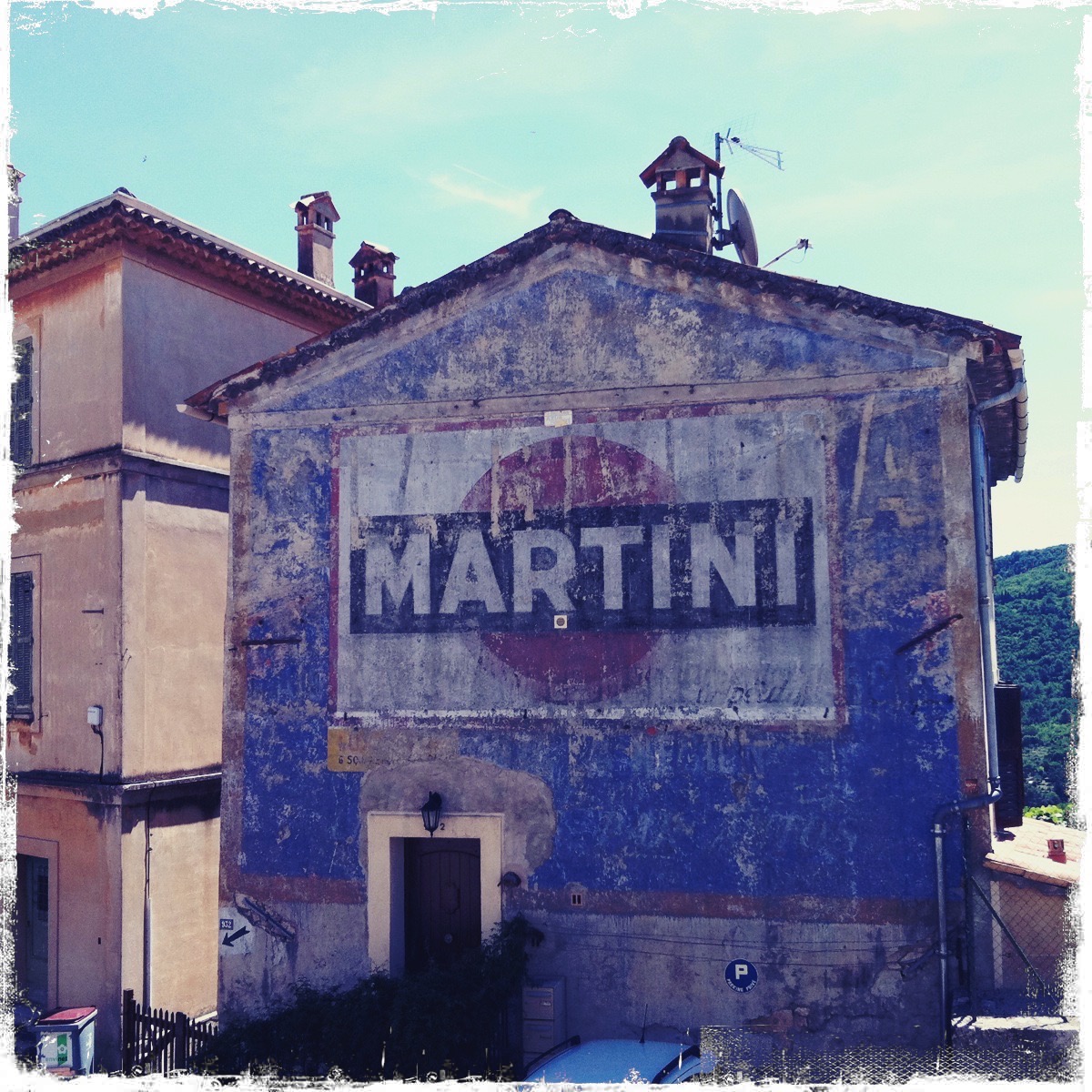
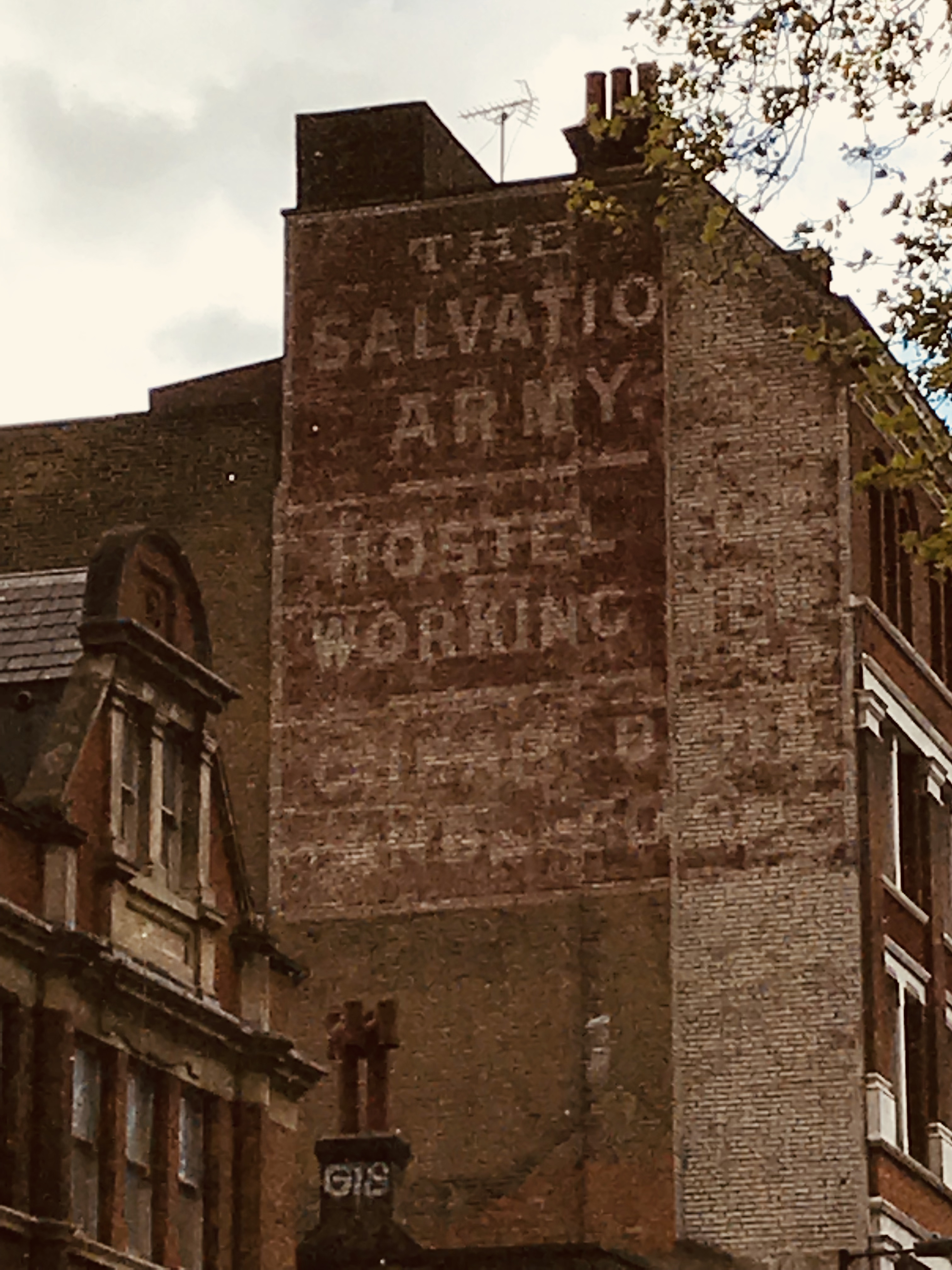 These signs – material and metaphoric – ‘both reveal and hide their identity’ (Shep, p.209). They exist in plain view yet their meaning has to be negotiated via erosion, neglect and decay. Like Baudelaire’s flaneur detective, we need to decipher and deduce (Benjamin, p.37). For these signs exist at the liminal convergence of topography, typography and temporality (Shep, p.210). They inhabit multiple margins; permeate many thresholds. And this very materiality is, of course, liminal. As scouring wind, rain and pollution ‘transform the qualities of matter’ (DeSilvey and Edensor, p.477), their journey of transition is constant: as ‘palimpsests, they register change over time’ (Shep, p.209).
 And there is something both poignant and heroic about these ghost signs. Even though their purpose – their signified is absent – they continue to signify to an intended audience that, in all probability, are ghosts now too. It brings to mind an abandoned turntable endlessly playing the same track to a long-departed listener. For these ‘names and slogans…were not meant for our contemporary eyes’ (Roberts and Marshall, p.3). And this, maybe, is what captures our gaze from train and street. This prickling of curiosity; a glimpse of something we can’t immediately comprehend yet sense, in some way, to be important. The sudden sound of static that interrupts our car radio on a moonless country road: significant but unknowable.
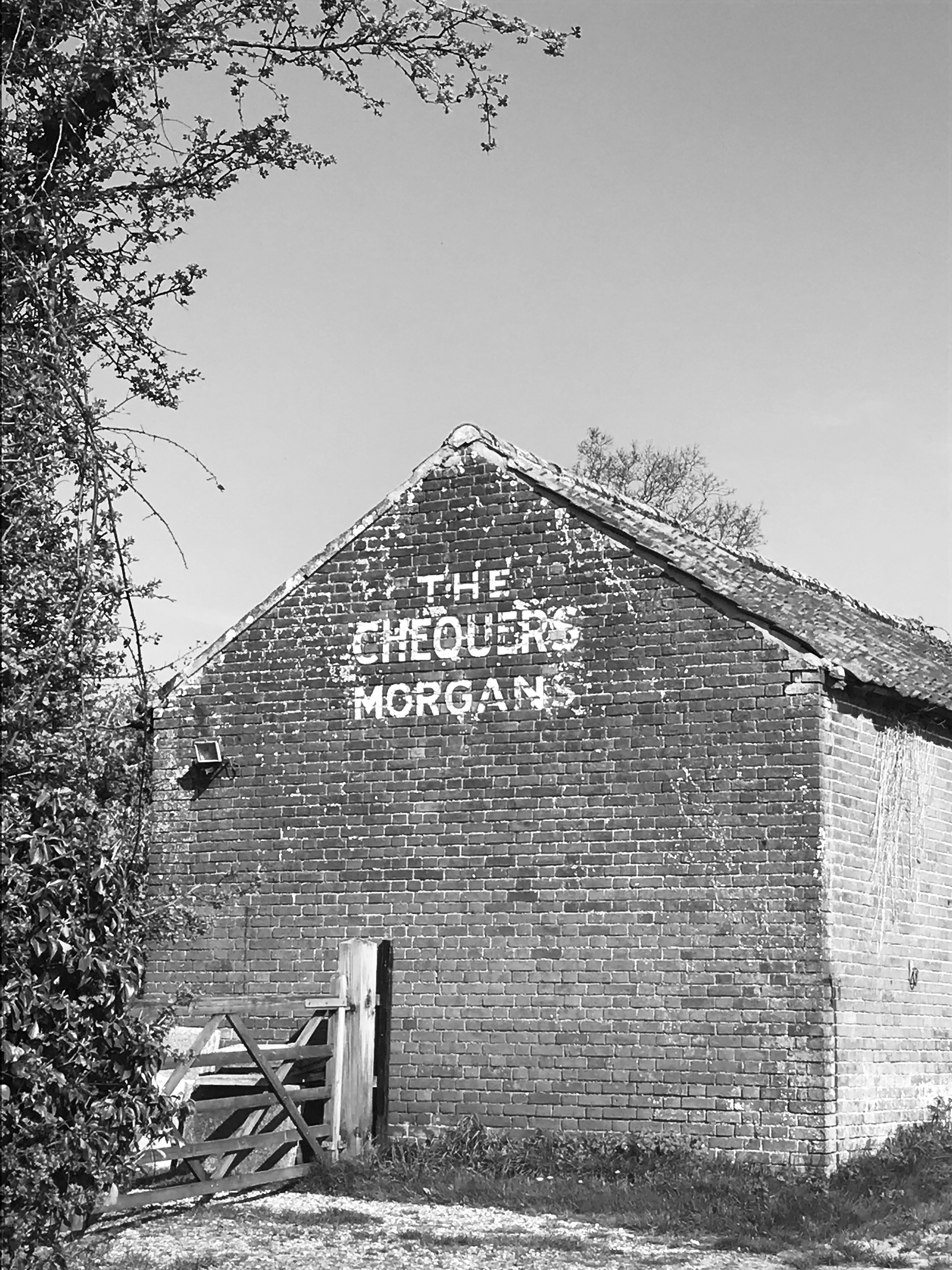 Such ghosts ‘haunt the present in such a way as to suddenly animate the past’ (Edensor, p.159). As I walk up the lane towards the sign of the former Chequers pub, I am conscious that my steps echo those of villagers who, for many years, would have tramped the same route after a day working the fields. And their embodied practices and daily rituals are now re-enacted by those now drawn by the sign. The past is reinvented and reimagined with each step. As Edensor notes, we ‘perform the past by putting our bodies into its flow’ and, in so doing, ‘it ceases to be pure memory; it is lived in the present’ (Edensor, pp. 150-151). And these experiences, these micro-narratives we co-create through such embodied empathy, although fragmentary and seemingly incoherent, ‘offer opportunities for constructing alternative versions of the past, and for recouping untold and marginalized stories’ (DeSilvey and Edensor, p.471). The ‘enigmatic traces’ of the Chequers pub invites me to ‘fill in the blanks’ (Edensor, p.162). My imagination – via stories – aims to ‘impose a formal coherence on what is otherwise a flowing soup’ (Weick, p.128).
 Liminal Narratives